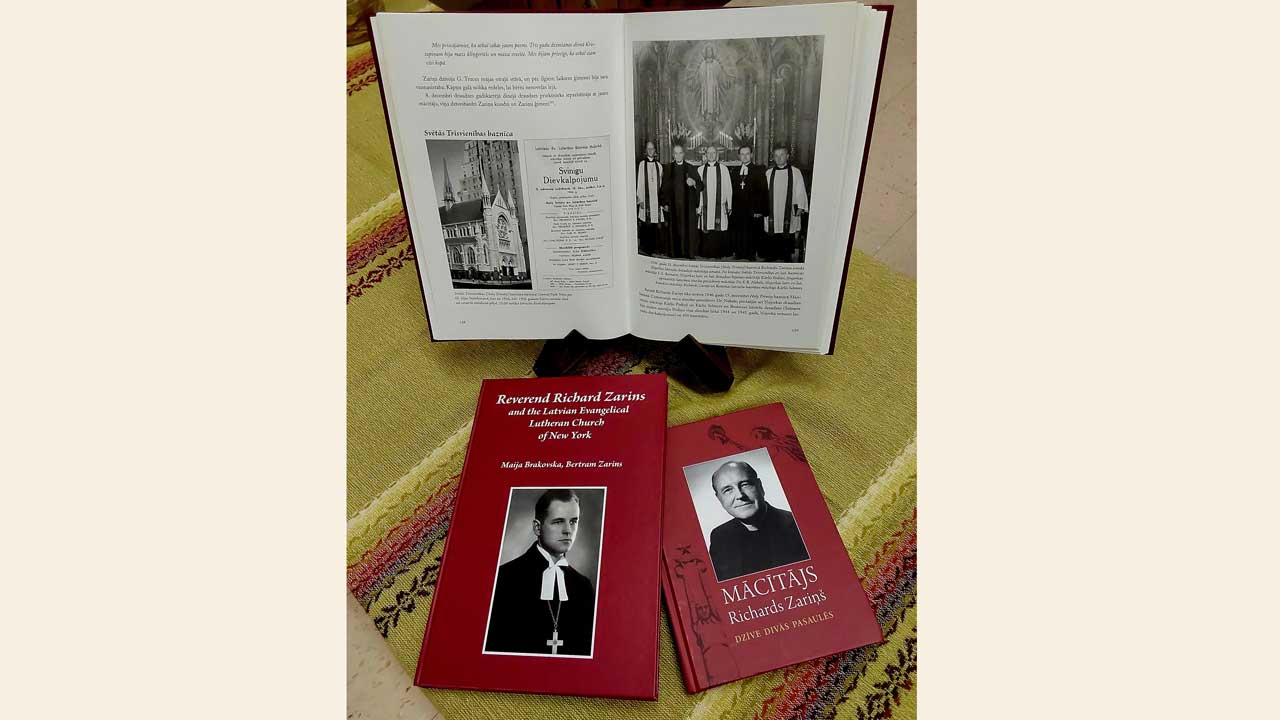
Ir cilvēki, par kuriem var sacīt: pareizais cilvēks pareizajā vietā un pareizajā laikā. Šādos dzīvesstāstos atspoguļojas veselu paaudžu likteņi. Mācītājs Richards Zariņš pieder pie šādiem cilvēkiem. Viņa dzīvē savijās Latvija, trimda, Ņujorka, luteriskā Baznīca un ilgais darbs pie ticības, valodas un latviskās atmiņas saglabāšanas svešumā.
Richards Zariņš dzimis Latvijā 1913. gadā, studējis teoloģiju Latvijas Universitātē un kalpošanu sācis vēl pirms Otrā pasaules kara. Kara un okupācijas notikumi, tāpat kā daudziem viņa paaudzes latviešiem, pārrāva ierasto dzīvi. 1944. gadā viņš kopā ar ģimeni devās bēgļu gaitās. 1946. gadā ieradās Ņujorkā un sāka kalpošanu, kas vairāk nekā piecdesmit gadus bija cieši saistīta ar Ņujorkas latviešu evaņģēliski luterisko draudzi.
Viņa vadībā draudze kļuva par vietu, kur tika sludināts Dieva vārds, kristīti bērni, izvadīti aizgājēji, dziedāja kori, darbojās skolas, tika sniegta palīdzība, uzturēta valoda un veidota kopiena. Ņujorkas draudzes nams bija vieta, kur simtiem jauniebraukušo “dīpīšu” atrada pirmās naktsmājas Jaunajā Pasaulē. Un namatēvs darīja visu, lai tie cilvēki, kuri bija zaudējuši dzimteni, zem viņa jumta varētu atkal atrast arī cerību, palīdzību un piederību.
Grāmatas par mācītāju Richardu Zariņu nav tikai viena cilvēka biogrāfija. Tās ir arī logs uz Ņujorkas latviešu dzīvi, uz draudzes darbu un uz trimdas paaudzes garīgo pasauli. Tādēļ ļoti svarīgi, ka latviešu izdevumiem "Mācītājs Richards Zariņš un Ņujorkas latviešu draudze" un "Mācītājs Richards Zariņš: Dzīve divās pasaulēs" tagad pievienojusies arī angļu valodā izdotā grāmata "Reverend Richard Zarins and the Latvian Evangelical Lutheran Church of New York".
Tas ļauj šo stāstu iepazīt daudz plašākai auditorijai — ne tikai kā personisku piemiņu, bet arī kā trimdas kopīgās atmiņas daļu. Nereti pēckara latviešu bērni un mazbērni vairs nelasa latviski tik viegli kā viņu vecāki un vecvecāki. Tomēr viņu ģimeņu vēsture joprojām ir saistīta ar latvietību un tās mantojumu.
Angļu valodas izdevums palīdz šo atmiņu nodot tālāk — bērniem, mazbērniem, draugiem, pētniekiem un visiem, kuri vēlas saprast, kas īsti bija un ir latviešu trimdas luterāņu draudze Ņujorkā.
There are people of whom one may say: the right person, in the right place, at the right time. In such life stories, the fate of an entire generation is reflected. Rev. Richards Zariņš was one of these people. In his life, Latvia, exile, New York, the Lutheran Church, and the long work of preserving faith, language, and Latvian memory in a foreign land were woven together.
Richards Zariņš was born in Latvia in 1913, studied theology at the University of Latvia, and began his ministry before the Second World War. The events of war and occupation, as for so many Latvians of his generation, interrupted the course of ordinary life. In 1944, together with his family, he went into exile. In 1946 he arrived in New York and began a ministry that, for more than fifty years, would be closely connected with the Latvian Evangelical Lutheran Church of New York.
Under his leadership, the congregation became a place where the Word of God was proclaimed, children were baptized, the departed were laid to rest, choirs sang, schools were active, help was given, the Latvian language was maintained, and a community was formed. The New York congregation’s house became a place where hundreds of newly arrived Latvian “DPs” — displaced persons after the Second World War — found their first shelter in the New World. And as host of that house, Rev. Zariņš did all he could so that those who had lost their homeland might, under his roof, also find hope, help, and belonging.
The books about Rev. Richards Zariņš are not only the biography of one man. They are also a window into Latvian life in New York, into the work of the congregation, and into the spiritual world of the exile generation. For this reason it is especially important that the Latvian editions, "Mācītājs Richards Zariņš un Ņujorkas latviešu draudze" and "Mācītājs Richards Zariņš: Dzīve divās pasaulēs", have now been joined by an English-language volume, "Reverend Richard Zarins and the Latvian Evangelical Lutheran Church of New York".
This makes it possible for a much wider audience to encounter this story — not only as a personal remembrance, but also as part of the shared memory of Latvian exile. Often, the children and grandchildren of postwar Latvians no longer read Latvian as easily as their parents and grandparents did. Yet the history of their families is still connected with Latvian identity and its heritage.
The English edition helps pass this memory on — to children, grandchildren, friends, researchers, and all who wish to understand what the Latvian exile Lutheran congregation in New York was, and still is.